.png)
.avif)
Knee Straightening Exercises After a Knee Replacement
Millions of people undergo a total knee replacement each year due to knee arthritis and severe knee pain. Prior to surgery, knee arthritis can cause issues with general mobility of the knee. This means that months or possibly years prior to a total knee replacement, individuals may have restrcitions in their bending and/or straightening. These restrictions cause signficant diffidulites after a total knee replacement surgery. Recovering from a knee replacement is about more than just reducing pain, swelling, stiffness and aching. It is also about getting your knee to bend and straighten and getting function back. One of the most important parts of recovery is regaining full knee straightening, also known as knee extension. Regaining full knee straightening (and bending) is step 1 for knee replacement recovery. Without a properly functioning knee, walking, standing, and even resting comfortably can become difficult and painful.
In this article, we will dive into knee straightening specifically and why it matters. We will discuss what happens if you don’t regain it, and cover some of the most effective knee straightening exercises after a knee replacement to help you recover fully.
Why Knee Straightening Is So Important
After a total knee replacement, your first goal with physical therapy is regaining your bending and straightening. Both should be addressed simulatenously and one is not more important than the other. Full straightening or extension allows your leg to support your body properly when standing and walking.
When your knee doesn’t fully straighten:
- Your quad muscle struggles to activate properly, especially at end range.
When the knee does not full straighten, the quad does not fully contract. The action of the quad is to straighten the knee. If the knee cannot physically straighten, the quad becomes weak. Interestingly, the weak quad may be contributing to the lack of knee straightening. This is where a knee replacement Physical Therapist can step in and help. If the quad is weak because the knee won't straighten, but the knee won't straighten because the quad is weak, what are you supposed to do here? There are many, many options to overcome this, and we will cover some in this article.
- Walking becomes inefficient and tiring since the quad is always on.
During the start of the gait (walking) cycle, your knee is supposed to be at 0°, which means it is fully straight. This is a key phase of the gait cycle because when your knee gets to 0° the quad gets a chance to rest for a few seconds. This may seem irrelevant or unimportant, but it is cruical. When the knee can't get to 0°, the quad is always overworking, which leads to quad fatigue. Quad fatgiue can lead to a cascade of other problems such a quad tendonitis, knee cap pain, IT band issues, back or hip pain, and the list goes on. The quad is such an important muscle to the whole body. If it is overworked and fatgiued, other muscles start taking over and that is not ideal.
- You may develop a limp since one leg is essentially shorter than the other.
When you have a slight bend in the knee, the leg is now slightly shorter compared to the other leg. When one leg is shorter than the other, the leads to uneven walking and limping. Limping can cause a variety of issues if lasts for more than a few days. Back pain and hip pain can escalate. Poor movement patterns can become habit. Muscles start working in way they are designed to leading to increased pain, aching, stiffness and soreness.
- Extra strain is placed on your hip and lower back due to funky walking pattern, you end up walking with a slightly bent knee. This may seem minor, but it creates a chain reaction throughout your body. Because of this compensation, the forces that should be distributed through your knee joint get shifted upward into your hip and pelvis. Over time, this can lead to hip tightness, fatigue, and even pain. Your lower back is also affected. When your knee doesn’t straighten, it can alter your posture you balanced, your lower back muscles engage more than they should, especially with every step.
Even a small loss of extension can significantly impact how you move. That’s why early and consistent work on straightening is essential.
Why It’s Hard to Straighten Your Knee After Surgery
Right after total knee replacement surgery, it is very normal for the knee to have a slight bend in it. Some people get lucky and have a very straigth leg right after surgery, but this is not common. Even if you had a straight knee before surgery, it is still normal to have a bend in the knee right after surgery. This happens for several reasons:
Swelling:
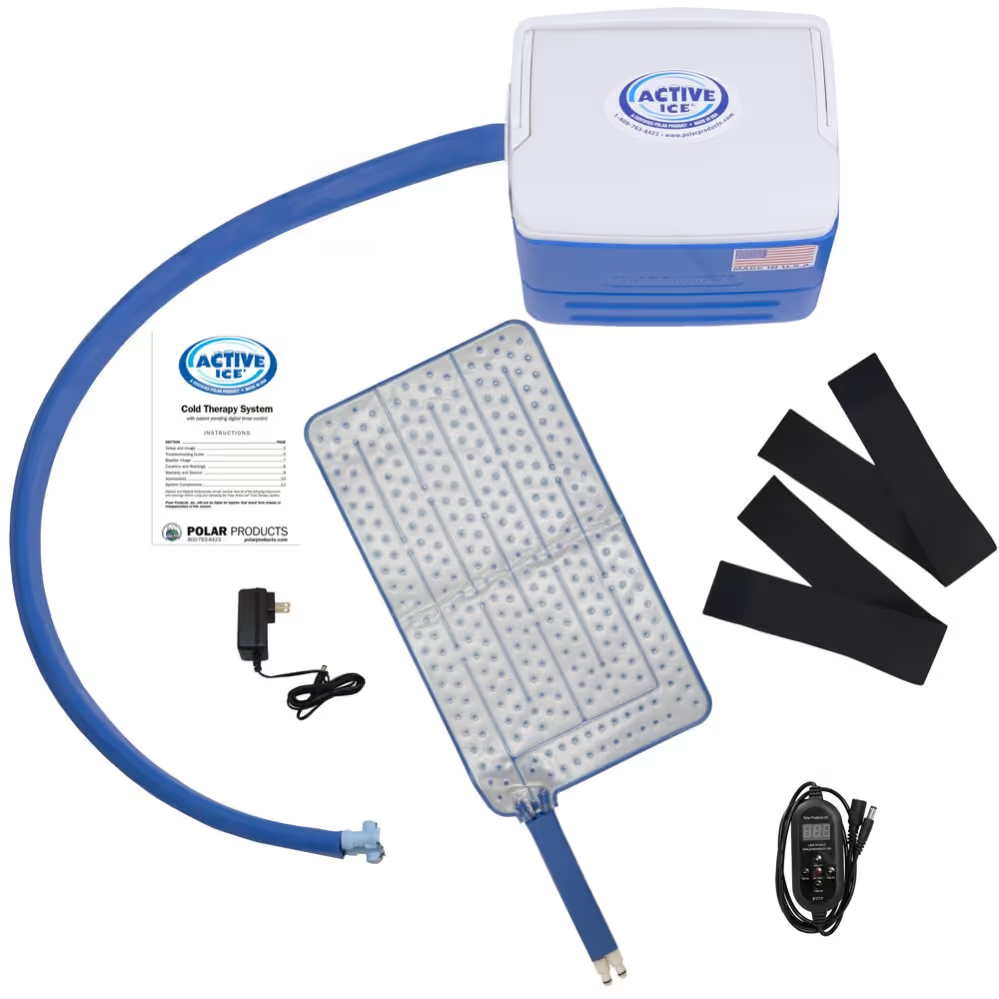
You may notice swelling in the knee joint day 1 after surgery. This is normal and expected. Fluid in the joint physically blocks the knee from straightening (and bending) due to internal pressure. Swelling control is key to improving your knee straightening. This is where your physical therapist comes in. Not only do you need to ice and elevate often, but you will need to do a structured exercise routine starting day 1 post surgery to ensure you are moving the knee, but not doing too much to increase the swelling. If you need structured protocol to follow, the Post Surgery Course will give you a step-by-step program.
Pain and guarding:
Pain changes how your body behaves. After knee replacement surgery, your brain is on high alert, and it tries to protect the area from further “threat.” This leads to something called guarding, where your muscles subconsciously tighten to limit movement. Has your physical therapist ever told you to relax while stretching and you physically can't? This is guarding. When you try to stretch the knee, your body naturally resists the stretch because it feels unsafe. This is where neurological techniques and tricks can help. There are specific ways we can reduce muscle guarding over time and allow the nervous system to feel safe. This is a key principle in the Knee Straightening Course (and Knee Bending Course if you need help with bending the same muscle guarding techniques apply).
%20(5).png)
%20(6).png)
Quad weakness:
Your quadriceps are the primary muscles responsible for straightening your knee. Your quadriceps are also the weakest muscle after a knee replacement. That makes straightening the knee very difficult. Another very important consideration is this muscle often “shuts down” or becomes inhibited due to swelling and pain. This is called arthrogenic muscle inhibition, and it’s extremely common. This is so important to understand! The quad shuts down because of swelling - yes, you read that right. We need the quad to work to help us with straightening. To do this, we have to control swelling first and foremost. The Knee Straightening Course is designed to do this. It isn't just about icing all day. You have to do the right exercises, in the right sequence to control swelling.
Tight tissues:
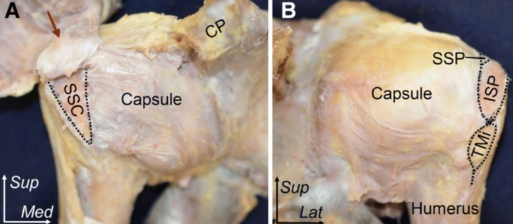
Around all our joints, there is a capsule made of thick connective tissue. This capsule provides stability to our joints, especially when our muscles are weak. Joint capsules can become tight as we age, as we lose mobility and after a major joint surgery where they have to cut through the capsule. When the capsule becomes tight, it can physically stop the knee from moving properly. Luckily, capsules can stretch!
When Should You Start Knee Straightening Exercises?
Immediately.
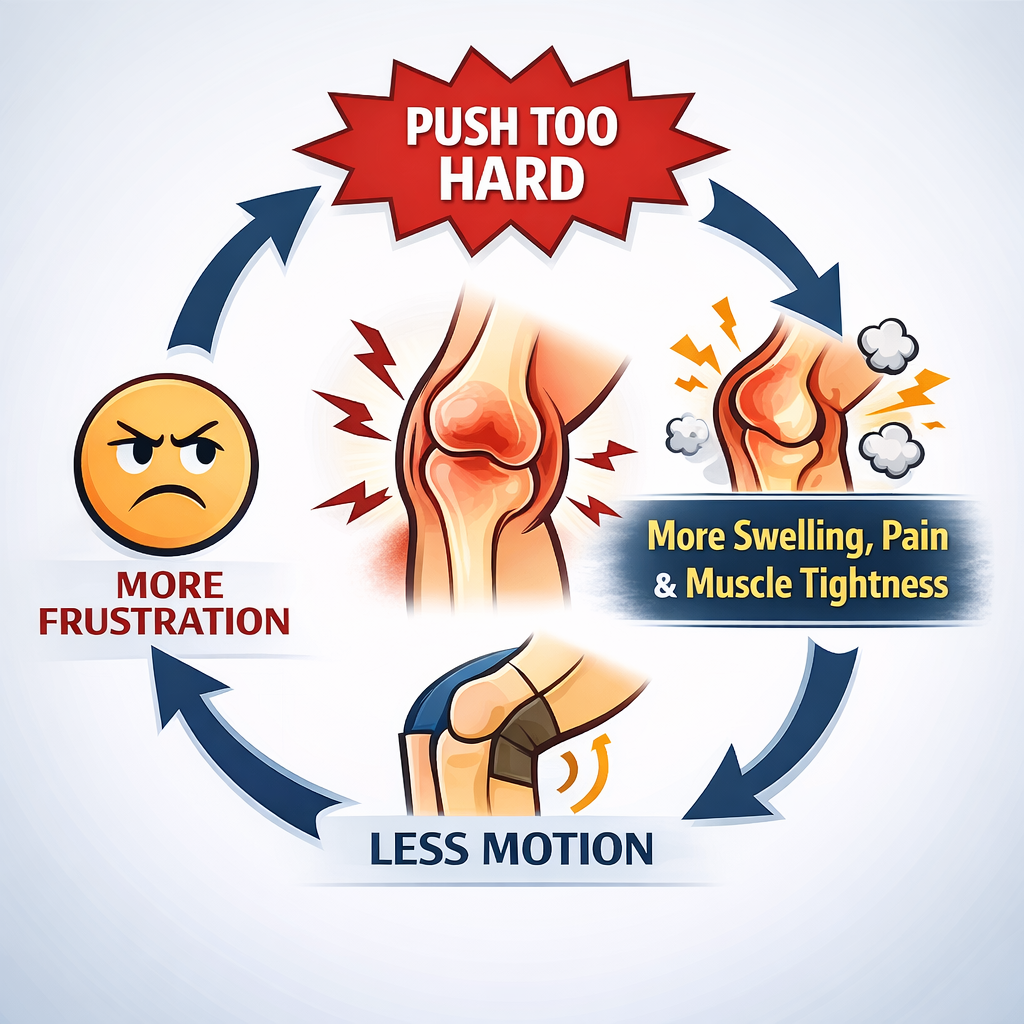
Most patients are encouraged to begin gentle knee straightening exercises within the first few days after surgery. Those gentle stretches can make a big impact on getting your knee to full straighten. Being too aggressive during the first 2-3 weeks after surgery can actually slow your progress with knee straightening. Most people think, if I just stretch more with more intensity, the muscles will stretch. However, that is NOT the case, and often is what causes difficulty with straightening.
When you force your knee into intense, painful stretches, a few things happen:
- Your body responds by increasing inflammation, which adds more swelling into the joint
- Muscles around the knee tighten even more as a protective response
- Pain levels increase, which causes more inflammation and muscle tightness
- Your quad muscle can shut down further, limiting your ability to actively straighten your knee
It becomes a cycle: push too hard → more swelling/pain/muscle tightness→ less motion → more frustration.
A good rule of thumb:
You should feel a stretch and mild discomfort, but not sharp pain or a strong urge to pull away. You should not be nauseous, sweating and feeling like you want to kick your PT with your other leg while stretching.
The goal in those first few weeks isn’t to “force” your knee straight in one session. It’s to gently and consistently stretch the knee. If you are lucky enough to be reading this in the first 0-4 weeks after surgery, I highly recommend the Post Surgery Course to help you with the right exercise program. If you are after 5 weeks post surgery, the Knee Straightening Course can help you.
The Most Effective Knee Straightening Exercises
In this section, we will cover some stretches and exercises to try to help improve your knee extension. We will start with some easy stretches and exercises you can do during the first few weeks after surgery and then show progressions. While these exercises and stretches focus on stretching the right areas, you also need to consider controlling pain and swelling along while doing any stretches or exercises.
Heel Prop
This is one of the first knee straightening stretches that is recommended right after knee replacement surgery. This is can be done with a small pillow under the foot and ankle to allow the knee to float in the air and gravity will push the knee down. During the first week after surgery, you may only be able to tolerate this stretch for 10-30 seconds. That's okay! Overtime, you will slowly increase the time.
%20(1).png)
Quad Sets
This is one of the first knee straightening exercises that is recommended right after total knee replacement surgery. Typically, they have you do this exercise right after surgery in the hospital bed to get the quad working. When you lay with your leg straight in front of you and contract the quad muscle by pushing the knee down, the knee straightens. This is called terminal knee extension and this type of exercise is key to improving knee straightening.
%20(2).png)
Seated Heel Prop with Chair
This type of stretch is much more challenging than a heel prop with a pillow. You may not be able to tolerate this type of stretch until week 3 or 4 post surgery. There are different variations of the seated heel prop with chair you can do. You can place your calf, ankle and foot on the chair in front of you or just your ankle and foot. You will notice a significant difference in the stretch if you just place your ankle and foot on the chair. You can also add in some quad contractions while doing this stretch to work that terminal knee extension.
%20(3).png)
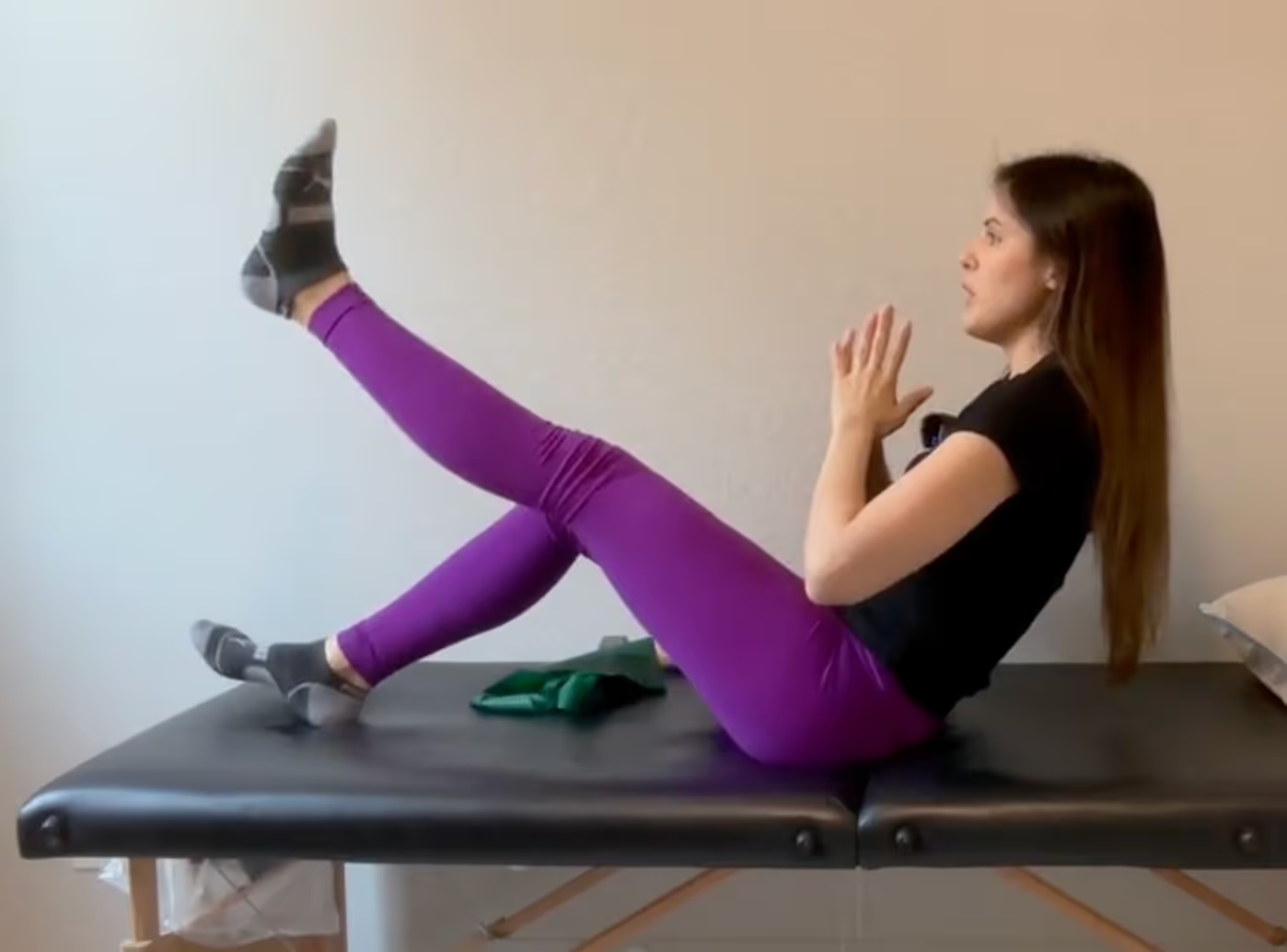
Straight Leg Raise with Quad Contraction
This type of exercise is more challenging than a simple quad set. When quad sets become easy, you'll want to move on to more challenging exercises with a straight leg raise. You can do variations of straight leg raises by adding quad contractions. This is working the terminal knee extension that is so important.
.png)
Final Thoughts
There are so many considerations to improve knee straightening. First consideration is to control pain and swelling. Then you need to consider how far post surgery you are and do exercises and stretches that are tolerable. As you progress with your healing and can tolerate more, then you can chose more challenging exercises and stretches. Around 5 weeks post surgery, most knee replacements are ready for more challenging exercises and we can start to introduce other techniques to help improve straightening such as muscle energy techniques, hip stretching, ankle stretching, spine stretching and more challenging quad activation, speficially twhne the knee is straight. If you are needing a specific guide to follow, the Knee Straightening Course provides a very thorough, evidence based protocol to follow. The course helps reduce swelling, pain and muscle tightness and gives a variety of stretches and exercises to do to help achieve full knee extension. The course has a 96% success rate and you can start as early as 5 weeks post surgery.
.jpg)