.avif)
Why Recovery From Knee Replacement Looks Different for Everyone
Lindsey Vonn’s comeback was cut short earlier this year. The U.S. Alpine skiing star struck out at 13 seconds into her downhill run at the Winter Olympics.
Despite rupturing her left anterior cruciate ligament several days prior, Vonn attempted the feat, resulting in a devastating accident. The three-time Alpine skiing Olympic medalist fractured her tibia, fibula head, and tibial plateau.
Milano Cortina 2026 was supposed to be her victory lap. Instead, a previous knee injury came back to haunt her, prompting some to question why compete at all. Her 2024 partial right knee replacement surgery was a success.
The February incident created more complications, with the 41-year-old set to undergo further knee surgery in November. “Once I get my ACL, then I’ll have another long road ahead of me. But for now, I feel great, and I’m very thankful for that.” - Lindsey Vonn, via TNT Sports.
For Vonn, the recovery process has been hard and exhausting. And yet the neighbor down the street literally skips to the corner store months after their procedure.
What’s the difference?
Recovery Isn’t a Fixed Formula
There’s a persistent myth that knee replacement follows a neat, predictable script. In reality, a whole mix of factors (age, weight, muscle strength, etc) influence how fast someone bounces back. A r/Kneereplacement discussion on why recovery timelines vary captures this well. Patients swap stories about pre-surgery fitness, and consistency with physical therapy comes up again and again as the biggest wildcards.
The Role of Underlying Joint Health
Part of the variation traces back to what’s happening in the joint before surgery starts. Osteoarthritis, the usual reason people end up needing a replacement, isn’t one disease; it’s several. Research flagged by BBC Science Focus shows that a menopausal woman’s arthritis and post-injury arthritis in a younger patient are biologically different. It all comes down to distinct inflammation levels and healing capacity.
Two people walking into the operating room can be starting from contrasting biological positions, even if their X-rays look similar.
Real Patients, Real Differences
Individual stories make this idea concrete. Lisa Wallace, 63, returned to her favorite hobbies after knee replacement. Her surgeon used the ROSA robotic system to tailor the procedure to her specific knee alignment. Wallace credits her smooth recovery to that customization combined with sticking closely to physical therapy.
Does Robotic Surgery Speed Things Up?
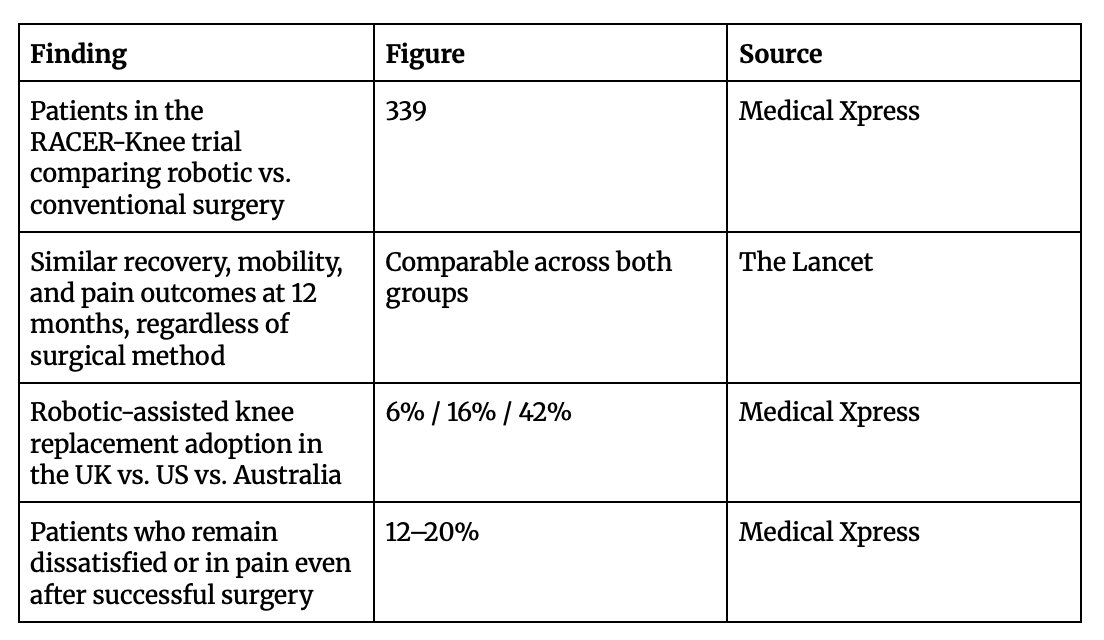
Given how often robotic-assisted surgery gets marketed as the faster, easier option, it’s worth checking the evidence. A large UK trial, covered in Medical Xpress, on robotic versus conventional knee replacement outcomes found that robotic assistance was more precise during surgery. However, it didn’t translate into better pain, mobility, or recovery speed a year out compared to traditional surgeon-led procedures. The findings, published in The Lancet’s coverage of the RACER-Knee trial, suggest the technology is accurate, but your body still drives how recovery unfolds.
What You Can Control
None of this insinuates that recovery is a mystery you have to wait out. A few things reliably make a difference:
Follow-up Care
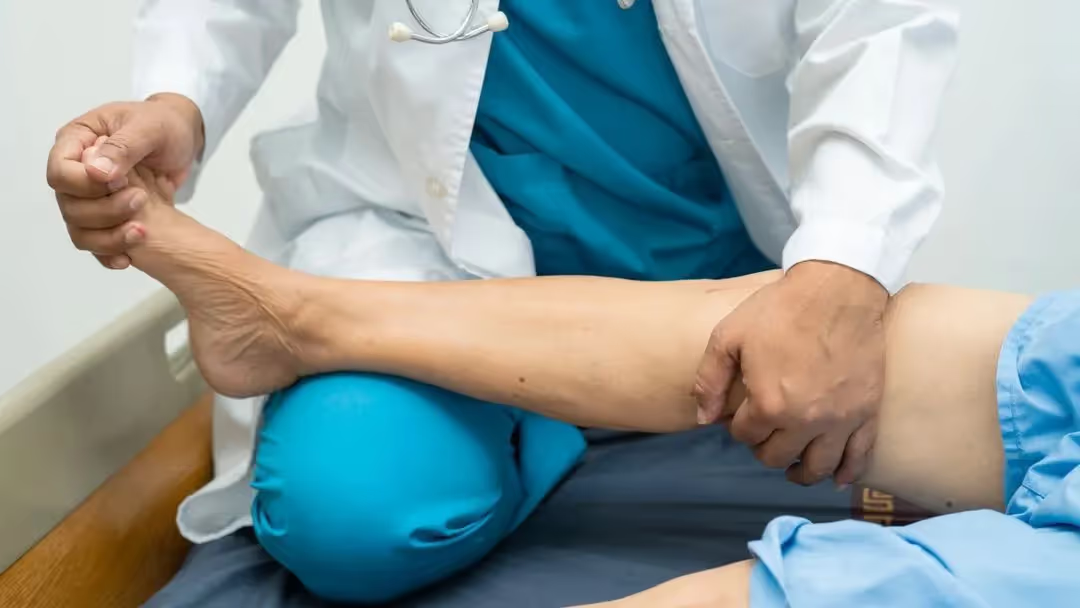
Routine check-ins catch small issues before they slow you down. Family nurse practitioners (FNPs) could be your regular port of call. They conduct post-operative evaluations either as part of an orthopedic surgical team or as primary care providers.
FNPs are registered nurses, which means they have tons of experience. Many choose the 100% online FNP program route to keep practicing while studying. The coursework is online and flexible. Online FNP program graduates receive full clinical placement services.
Online family nurse practitioner programs play a role in this kind of ongoing primary and follow-up care, Rockhurst University adds.
Support Gear
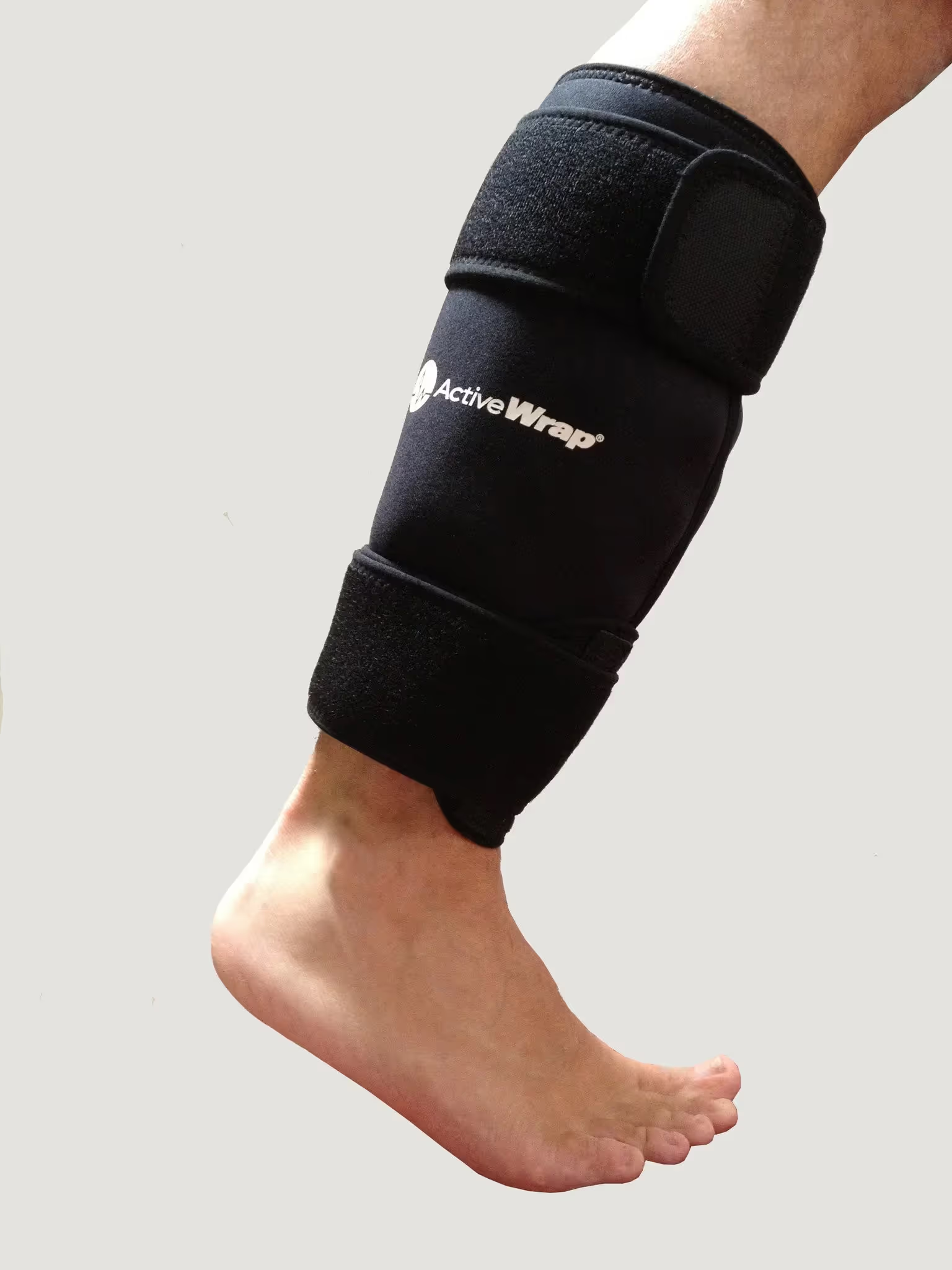
A properly fitted brace can ease pressure during the early weeks. Before surgery, research the best knee braces to help narrow down options based on your activity level.
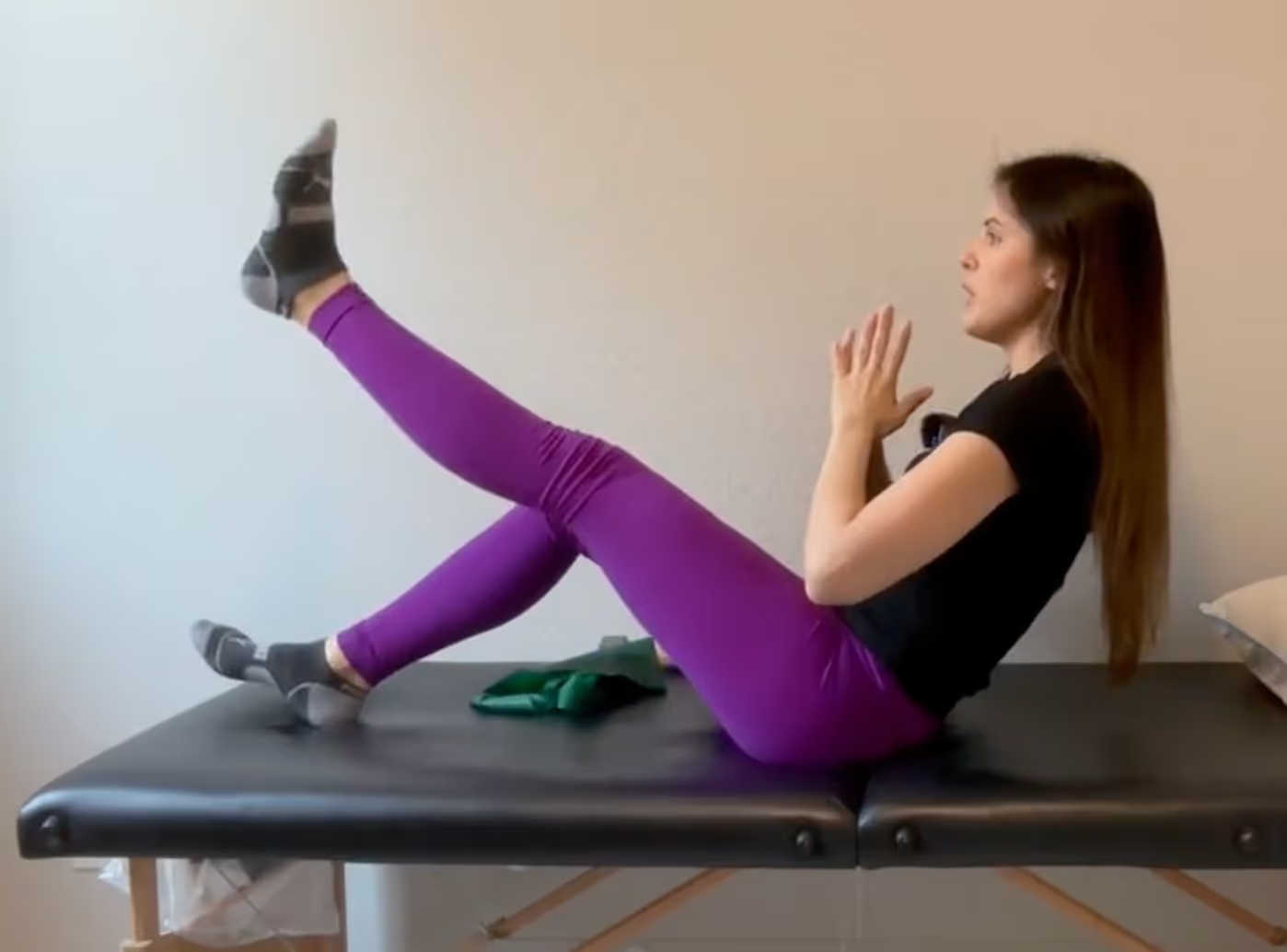
The weeks following the procedure can be hard and painful. But you must show up consistently with physical therapy. Being there for every session pays more dividends than any single exercise.
Above all else, improve your pre-surgery strength. Stronger muscles around the knee beforehand generally mean an easier road afterward.
FAQs
How long does full recovery from knee replacement take?
Most people regain the bulk of their mobility within three to six months, though full healing can stretch to a year. Patients who stay consistent with rehab tend to land on the faster end of that range.
Does robotic-assisted surgery mean a quicker recovery?
Not necessarily. The RACER-Knee trial found robotic assistance improved surgical precision. But it didn’t produce faster or better recovery outcomes than traditional surgery at the one-year mark.
Why do some people recover faster than others?
It comes down to a mix of pre-surgery strength, the underlying type of arthritis, and how closely someone follows their physical therapy plan.
Does follow-up care make a real difference?
Yes. Regular check-ins help catch swelling, stiffness, or alignment issues early. Advanced practice providers, including FNPs, handle this ongoing post-surgical primary care.
Knee Replacement Recovery Stats
Set Realistic Expectations
Most people can expect definite improvement. Not everyone heals at the same pace, and that’s normal. Comparing your week-three self to someone else’s week-three self usually isn’t useful.
Knee replacement recovery isn’t a race with a universal finish line. Your biology. Your pre-surgery condition. Your rehab consistency. Even your surgical technique combines into a timeline that’s yours.
Give it the patience it deserves. Rely on your care team. And trust that “different” isn’t necessarily “wrong.”

.jpg)